Understanding the Significance of Indian Bank SO Cut-Off Trends
For aspirants aiming to secure a position as a Specialist Officer (SO) at Indian Bank, understanding the cut-off trends is not just about knowing the numbers; it is about strategic planning. The Indian Bank SO exam is a highly competitive gateway into the banking sector, requiring a mix of professional knowledge, reasoning, English, and quantitative aptitude. By analyzing the previous years' trends, candidates can gain a clearer picture of the difficulty level and the competitive landscape.
Factors Influencing Indian Bank SO Cut-Offs
Several variables impact the final cut-off marks each year. Recognizing these factors helps candidates adjust their preparation strategy accordingly:
- Vacancy Count: A lower number of vacancies usually leads to a higher cut-off due to increased competition.
- Difficulty Level: If the professional knowledge section is particularly challenging, the overall cut-off often sees a downward trend.
- Number of Applicants: An increase in the total number of test-takers generally creates more competition, pushing the cut-off higher.
- Normalization Process: Since exams are often conducted in multiple shifts, normalization ensures fairness, which can subtly shift final scores.
Analyzing Historical Trends
While specific cut-offs fluctuate based on the year's unique parameters, a retrospective analysis reveals consistent patterns. Historically, the 'Professional Knowledge' section carries the highest weightage. Candidates who excel in their specific domain—whether it be IT, Law, or Finance—consistently perform better in the final rankings. Data from the past three cycles suggests that candidates should aim for at least 10-15% above the previous year's cut-off to ensure a safe margin for selection.
Sectional vs. Overall Cut-Offs
A critical aspect of the Indian Bank SO exam is the distinction between sectional and overall cut-offs. Many high-performing candidates fail to qualify because they focus heavily on their area of expertise while neglecting the qualifying subjects like English or Reasoning. To succeed, you must maintain a balanced approach. Ensure you meet the minimum qualifying marks in every section, as failing even one can result in disqualification regardless of your total score.
Strategic Preparation Tips
Based on the analysis of previous trends, here are actionable tips to improve your chances:
- Master the Professional Knowledge Section: Since this section is the most significant, dedicate at least 60% of your study time to your core subject.
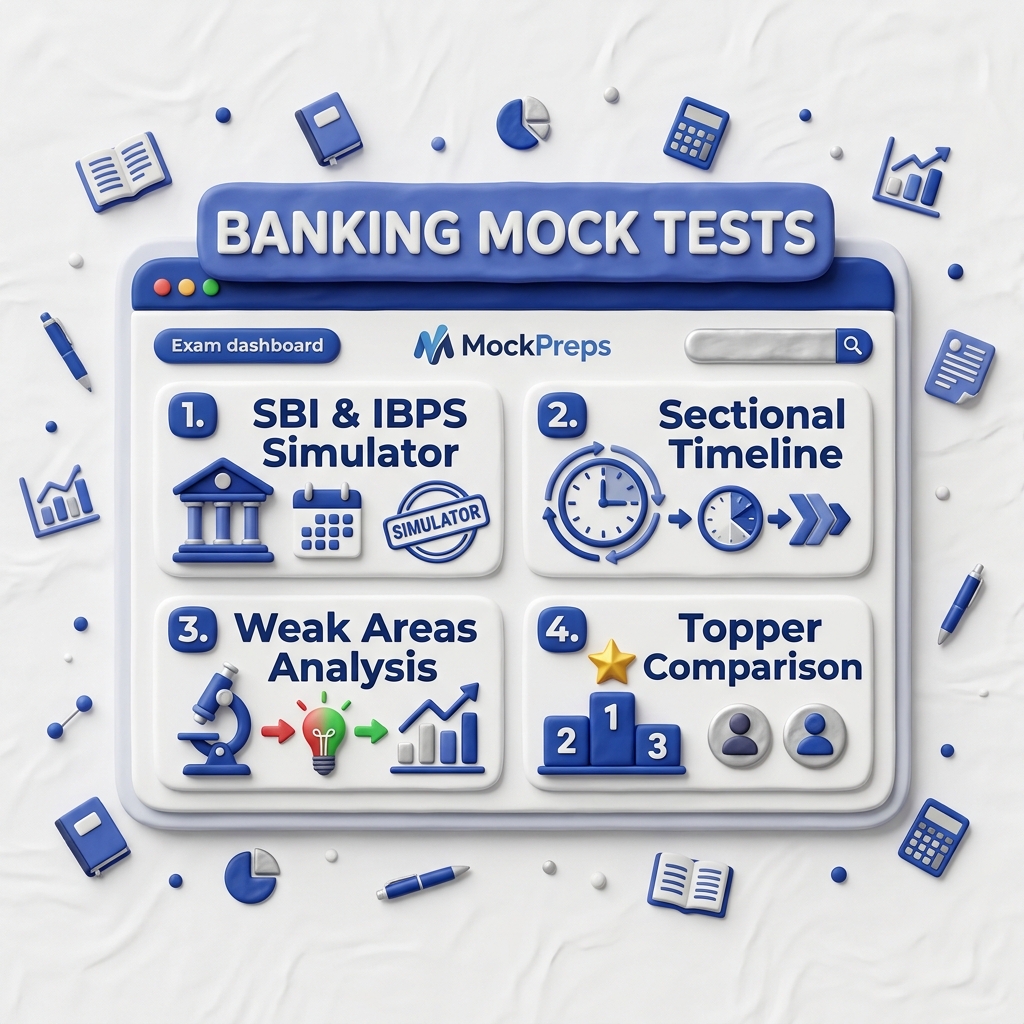
- Take Regular Mock Tests: Simulate the exam environment to improve your speed and accuracy, which are crucial for clearing sectional cut-offs.
- Analyze Your Weaknesses: After every mock test, identify the section where you scored the lowest and revise those concepts immediately.
- Stay Updated with Banking Awareness: Even for specialized roles, banking awareness questions are frequent and can be easy marks if you are well-prepared.
Conclusion
The Indian Bank SO exam is a rigorous test of both domain expertise and general aptitude. By studying the historical cut-off trends, you aren't just looking at past data; you are preparing for the future. Use these insights to build a robust study plan, maintain consistency, and target a score that keeps you comfortably above the historical cut-off margins. Success in the Indian Bank SO exam is a result of disciplined preparation and a data-driven approach to your studies.
Frequently Asked Questions
Unlock MockPreps Pass Pro
Get direct access to the ultimate testing platform trusted by toppers. Upgrade to unlock full-length tests, detailed performance metrics, and smart tracking.
60,000+ Tests
Full mock series for all major exams.
Live Sessions
Compete with real-time test takers.
AI Speed Analytics
Pinpoint speed leaks & pacing guidelines.
Free Re-attempts
Perfect your accuracy via practice.
Popular Mock Test Series

SSC CGL Exam

Delhi Police Constable Exam

SSC CHSL Exam

SSC MTS Exam

Delhi Police Head Constable Exam

SSC CPO Exam