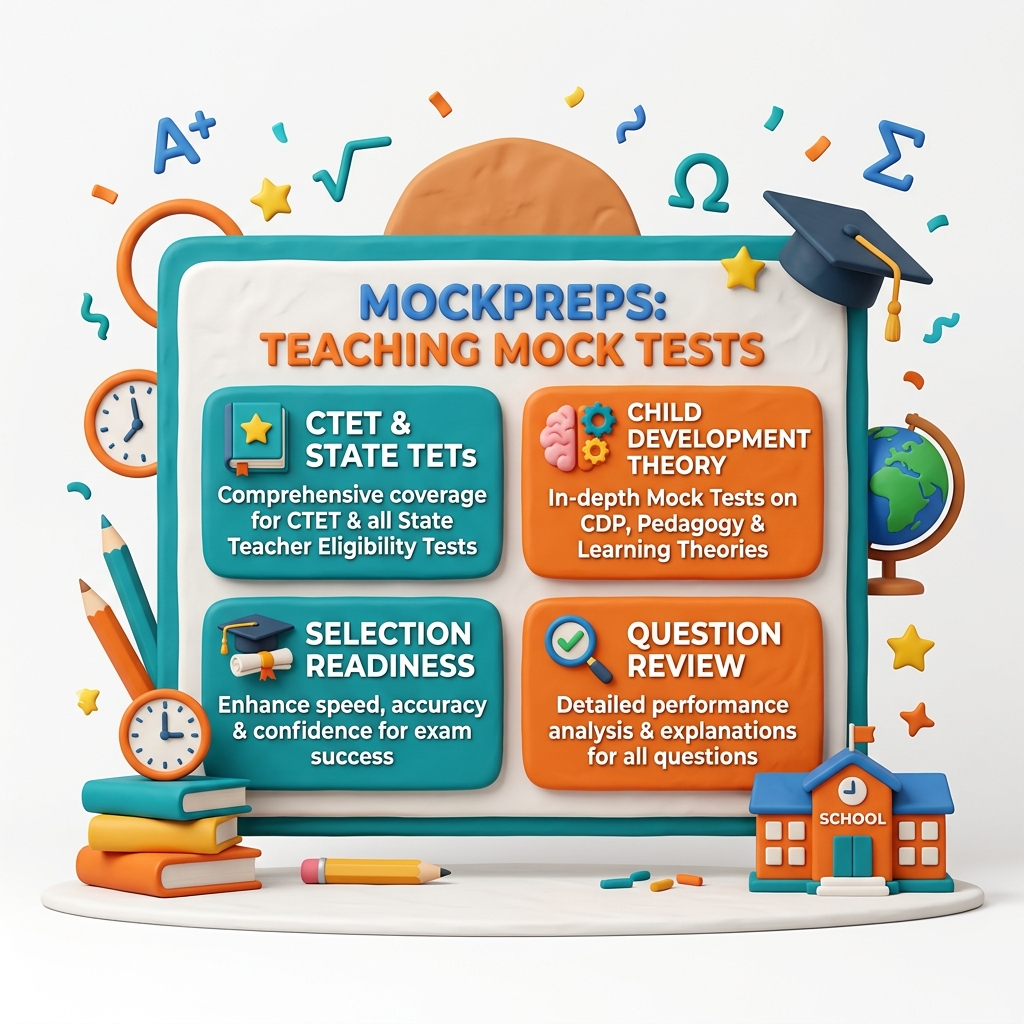
Mastering the KTET: The Power of Mock Tests
The Kerala Teacher Eligibility Test (KTET) is a rigorous examination that tests a candidate's aptitude, pedagogical skills, and subject-specific knowledge. While reading textbooks and attending lectures are foundational, the true secret to scoring high lies in the strategic use of mock tests. Mock tests are not just practice sessions; they are diagnostic tools that refine your exam-taking strategy.
Why Mock Tests are Essential for KTET Success
Many candidates fall into the trap of passive learning, where they consume information without testing their retention. Mock tests force active recall. By simulating the actual exam environment, you prepare your brain for the pressures of the testing center. Key benefits include:
- Understanding the Exam Pattern: KTET has a specific structure. Mock tests help you get accustomed to the weightage of different sections, such as Child Development and Pedagogy or Language subjects.
- Time Management: One of the biggest challenges in KTET is completing the paper within the allotted time. Regular practice helps you allocate time efficiently to each section.
- Identifying Knowledge Gaps: A mock test reveals exactly which topics you are struggling with, allowing you to pivot your study schedule to address these weaknesses immediately.
- Building Exam Temperament: Sitting for 150 minutes under strict conditions trains your focus, reducing anxiety on the actual exam day.
The Strategic Approach to Mock Testing
Taking a test is only half the battle. The real improvement happens during the post-test analysis. Follow this structured approach to maximize your results:
Phase 1: The Simulation
Treat every mock test as if it were the final KTET exam. Find a quiet space, switch off your phone, and use a timer. Avoid checking your notes or the internet while solving questions. This discipline is vital for building the mental stamina required for the actual test.
Phase 2: The Deep Analysis
Once you finish the test, do not just look at the score. Analyze every single wrong answer. Ask yourself: Was it a lack of knowledge, a calculation error, or a misunderstanding of the question? Keep an 'Error Log' where you note down the topics that consistently cause you trouble.
Phase 3: The Revision Loop
Use the insights from your error log to revisit specific chapters in your study materials. Once you have strengthened those areas, take another mock test to verify that you have improved. This cycle of testing-analyzing-revising is the fastest way to boost your score.
Time Management Techniques for KTET
During your mock tests, experiment with different strategies to find what works best for you. For instance, some candidates prefer tackling the pedagogy section first, while others prefer starting with their strongest subject. By experimenting with these strategies in mock tests, you can walk into the exam hall with a battle-tested plan.
Furthermore, learn to recognize 'trap questions.' KTET often includes questions designed to consume your time. If a question takes longer than two minutes, mark it for review and move on. Mock tests are the best place to practice this 'skip-and-return' technique.
Consistency is Key
The most common mistake candidates make is taking mock tests sporadically. To see a significant jump in your KTET score, consistency is non-negotiable. Aim for a scheduled routine—perhaps one full-length test every weekend, increasing the frequency to twice a week as the exam date approaches. Over time, you will notice that your speed increases and your error rate decreases significantly.
Conclusion
The KTET is a gateway to your teaching career, and your preparation should reflect your dedication. By integrating high-quality mock tests into your routine, you move from passive reading to active mastery. Remember, the goal is not to get a perfect score on your first mock test, but to learn something new from every attempt. Stay consistent, analyze your performance, and use these tools to confidently secure your success.
Frequently Asked Questions
Unlock MockPreps Pass Pro
Get direct access to the ultimate testing platform trusted by toppers. Upgrade to unlock full-length tests, detailed performance metrics, and smart tracking.
60,000+ Tests
Full mock series for all major exams.
Live Sessions
Compete with real-time test takers.
AI Speed Analytics
Pinpoint speed leaks & pacing guidelines.
Free Re-attempts
Perfect your accuracy via practice.
Popular Mock Test Series

SSC CGL Exam

Delhi Police Constable Exam

SSC CHSL Exam

SSC MTS Exam

Delhi Police Head Constable Exam

SSC CPO Exam