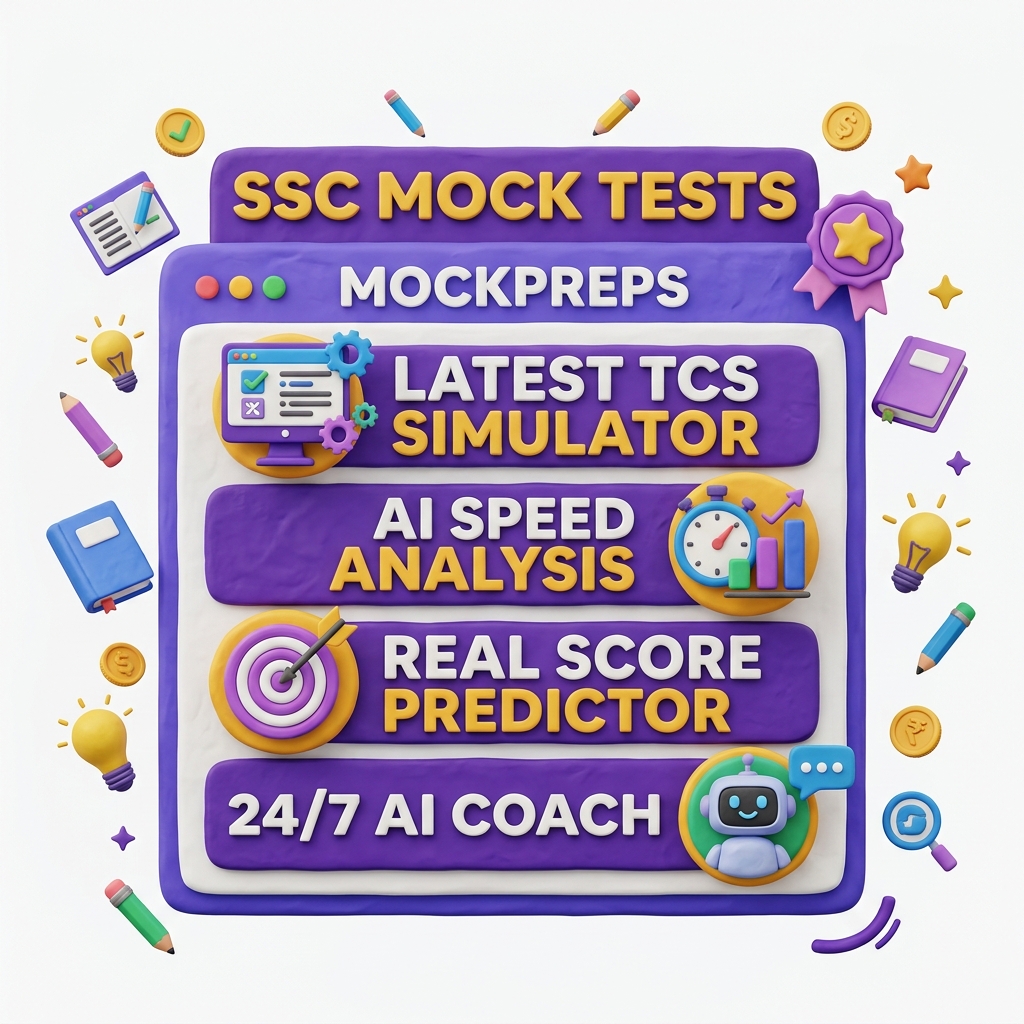
Mastering the SSC Scientific Assistant Exam: The Road to 150+
Achieving a high score in the SSC Scientific Assistant examination is a dream for many aspiring candidates. With the competition getting tougher every year, reaching the 150+ mark requires more than just hard work; it demands a strategic, data-driven approach. This guide provides a comprehensive roadmap to help you navigate the syllabus, manage your time, and maximize your performance.
Understanding the Exam Pattern
Before diving into the study material, you must internalize the exam pattern. The SSC Scientific Assistant exam is divided into two primary parts: the Non-Technical section and the Technical/Core subject section. To score 150+, you cannot afford to ignore either.
- General Intelligence & Reasoning: Focus on patterns, series, and logical deduction.
- Quantitative Aptitude: Master arithmetic and basic algebra.
- General Awareness: Stay updated with current affairs and static GK.
- English Language: Enhance your vocabulary and grammar basics.
- Core Subject (Physics/Computer Science): This is your biggest opportunity to score high.
Strategic Study Plan for Core Subjects
The technical section is the backbone of your score. Since the SSC Scientific Assistant role is specialized, the questions in the core subject area are designed to test your conceptual clarity. Don't just memorize formulas; understand the underlying principles. Use standard textbooks and focus on solving numerical problems, as these are frequent in the exam.
Optimizing the Non-Technical Section
Many candidates fail to score 150+ because they treat the non-technical section as an afterthought. However, this is where you can secure easy marks. Dedicate at least two hours daily to reasoning and quantitative aptitude. Practice is the only way to improve speed and accuracy in these segments. Aim to solve at least 50 questions a day across these topics to maintain momentum.
The Power of Mock Tests
Mock tests are not just for checking your knowledge; they are diagnostic tools. After every mock test, perform a thorough analysis:
- Identify your weak areas.
- Analyze the time spent on each question.
- Review the errors made due to silly mistakes.
- Refine your strategy for the next test.
Aim to complete at least two full-length mock tests per week in the final two months of your preparation. This will build your stamina and help you handle the pressure of the actual exam environment.
Time Management Strategies
Time management is the difference between a good score and a great score. During the exam, do not get stuck on a single question. If a question is taking more than a minute, move on. Return to it only if you have extra time at the end. By prioritizing easy questions first, you ensure that you bank the maximum possible marks before the clock runs out.
Consistency and Revision
Revision is the final key to success. Create short notes for complex formulas and historical facts. Review these notes every weekend to ensure that the information stays fresh in your memory. A consistent study routine of 6-8 hours, followed by rigorous revision, is the hallmark of a topper.
Final Tips for Exam Day
On the day of the exam, keep a calm mindset. Reach the center on time, carry all necessary documents, and trust the preparation you have put in. A positive attitude and a clear head are just as important as your technical knowledge. Follow these guidelines diligently, and you will be well on your way to hitting that 150+ target.
Frequently Asked Questions
Unlock MockPreps Pass Pro
Get direct access to the ultimate testing platform trusted by toppers. Upgrade to unlock full-length tests, detailed performance metrics, and smart tracking.
60,000+ Tests
Full mock series for all major exams.
Live Sessions
Compete with real-time test takers.
AI Speed Analytics
Pinpoint speed leaks & pacing guidelines.
Free Re-attempts
Perfect your accuracy via practice.
Popular Mock Test Series

SSC CGL Exam

Delhi Police Constable Exam

SSC CHSL Exam

SSC MTS Exam

Delhi Police Head Constable Exam

SSC CPO Exam