Introduction to PSSSB Assistant District Attorney Exam
The role of an Assistant District Attorney (ADA) under the Punjab Subordinate Services Selection Board (PSSSB) is a prestigious position for legal professionals. To secure this role, candidates must navigate a rigorous selection process that tests both their fundamental knowledge of Indian law and their application skills in a courtroom context. Understanding the syllabus and weightage is the first step toward a strategic preparation plan.
Understanding the Exam Pattern
The PSSSB ADA exam is designed to assess a candidate's grasp of substantive and procedural laws. The paper is generally divided into two main sections: the core legal component and the general awareness/aptitude component. Candidates must balance their study time between these two to ensure a high overall score.
Detailed Syllabus Breakdown
The syllabus is comprehensive, covering major criminal and civil law statutes. Below is a breakdown of the essential topics:
- Criminal Law: Indian Penal Code (IPC) is the cornerstone of this exam. Focus on definitions, punishments, and specific offenses against the body and property.
- Procedural Law: Code of Criminal Procedure (CrPC) and the Indian Evidence Act. These sections test your ability to handle case files and court proceedings.
- Constitutional Law: Fundamental rights, directive principles, and the structure of the judiciary.
- Local Laws: Specific acts pertaining to the state of Punjab, including the Punjab Excise Act and various municipal regulations.
- General Studies: Current affairs, history of Punjab, and basic mental ability.
Topic-Wise Weightage Analysis
While the PSSSB periodically updates the exam pattern, historical data suggests that the core criminal laws (IPC, CrPC, Evidence Act) account for approximately 60-70% of the total marks. Constitutional law and local laws typically make up 20%, while General Knowledge and Aptitude account for the remaining 10-20%. Prioritizing the 'Big Three' criminal statutes is essential for maximizing your score.
Preparation Strategies for Success
Success in the PSSSB ADA exam requires more than rote memorization; it requires a deep understanding of legal logic. Here are some expert tips:
- Master the Bare Acts: Do not rely solely on guidebooks. Read the Bare Acts thoroughly as questions are often framed directly from the text of the statutes.
- Case Laws Matter: Keep a record of landmark Supreme Court and Punjab & Haryana High Court judgments, as these are frequently tested.
- Time Management: Practice previous years' question papers under timed conditions to improve your speed and accuracy.
- Consistent Revision: Legal provisions can be confusing due to their similarities. Use flowcharts and tables to differentiate between similar offenses and procedures.
The Importance of Mock Tests
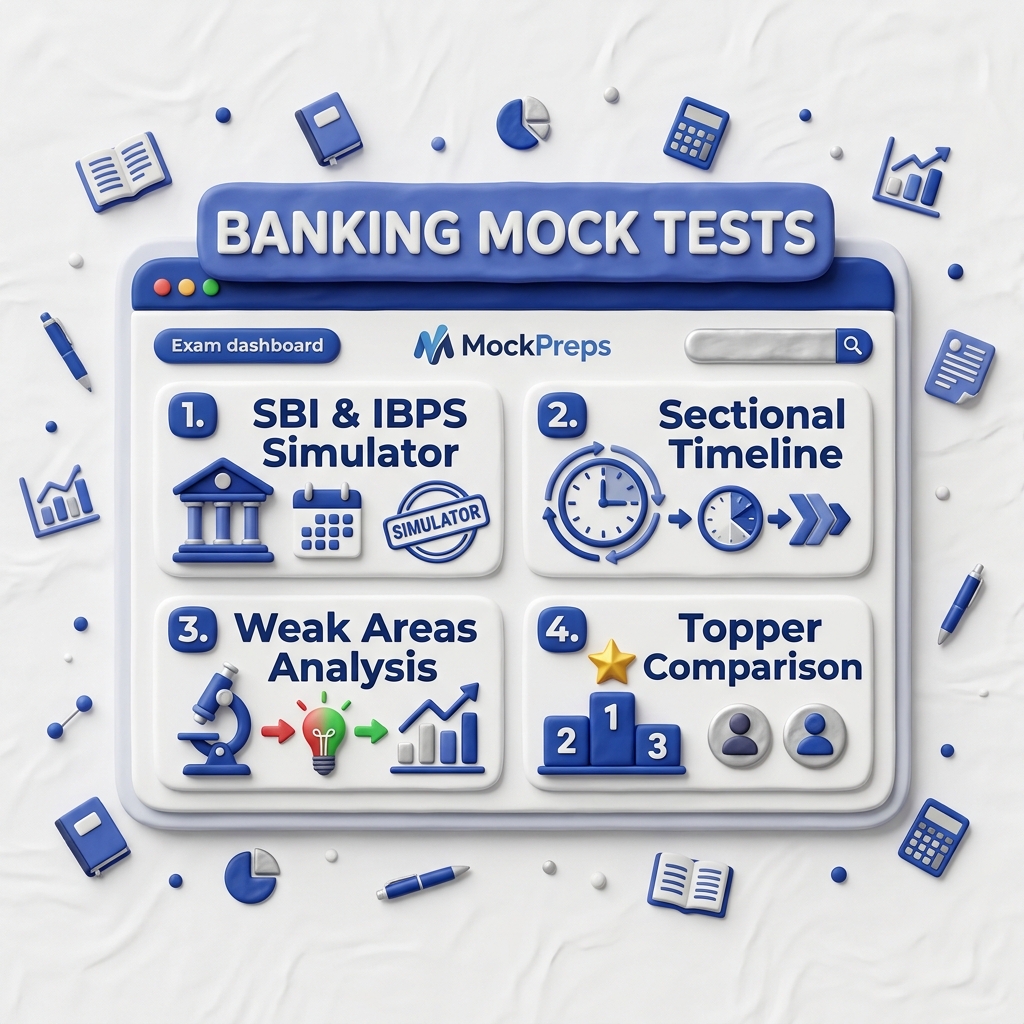
Taking full-length mock tests simulates the actual exam environment. It helps you identify your weak areas and allows you to adjust your strategy before the final day. Focus on analyzing your errors in the mock tests—understanding why you got a question wrong is more valuable than simply scoring high on a practice test.
Conclusion
The PSSSB Assistant District Attorney exam is highly competitive, but with a structured approach and a clear understanding of the syllabus and weightage, it is entirely manageable. By focusing on the high-weightage legal subjects and staying updated with local Punjab laws, you can position yourself for success. Stay consistent, stay focused, and use reliable resources to guide your journey toward becoming a public prosecutor.
Frequently Asked Questions
Unlock MockPreps Pass Pro
Get direct access to the ultimate testing platform trusted by toppers. Upgrade to unlock full-length tests, detailed performance metrics, and smart tracking.
60,000+ Tests
Full mock series for all major exams.
Live Sessions
Compete with real-time test takers.
AI Speed Analytics
Pinpoint speed leaks & pacing guidelines.
Free Re-attempts
Perfect your accuracy via practice.
Popular Mock Test Series

SSC CGL Exam

Delhi Police Constable Exam

SSC CHSL Exam

SSC MTS Exam

Delhi Police Head Constable Exam

SSC CPO Exam