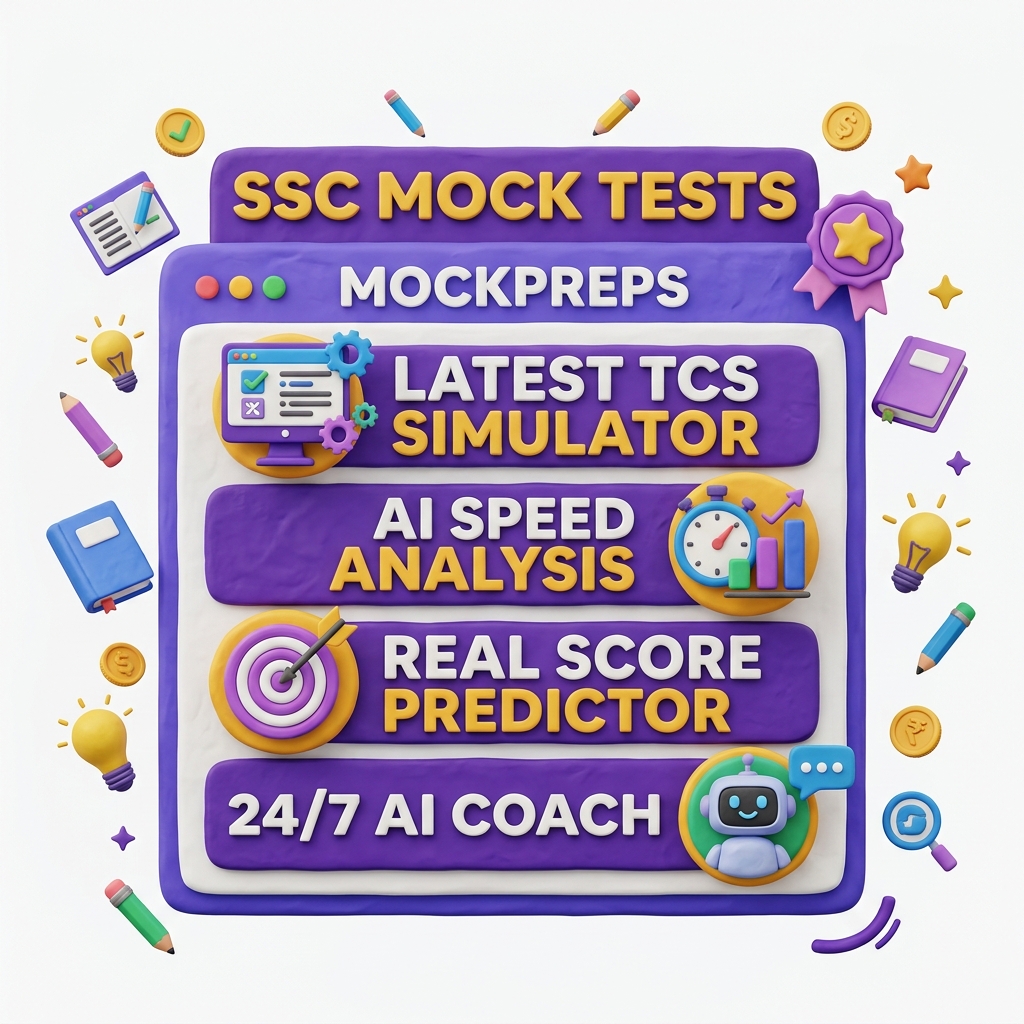
Mastering the Indian Bank Apprentice 2026 Exam: The Power of Mock Tests
The journey to securing a position as an Indian Bank Apprentice in 2026 is a competitive one. While comprehensive study materials and standard textbooks form the foundation of your preparation, the true differentiator between a candidate who merely qualifies and one who secures a top rank is the strategic use of mock tests. Mock tests are not just practice sessions; they are the ultimate diagnostic tool to measure your readiness, speed, and accuracy.
Why Mock Tests are Non-Negotiable
Many aspirants make the mistake of diving directly into the exam hall without sufficient practice. The Indian Bank Apprentice exam requires more than just subject knowledge; it demands the ability to solve problems under strict time constraints. Mock tests simulate the pressure of the actual examination, allowing you to build the mental stamina required for the big day.
- Real-time Environment: Experience the interface and pressure of the actual exam.
- Gap Identification: Pinpoint exactly which topics or sub-topics are causing you to lose marks.
- Speed and Accuracy: Learn to balance solving questions quickly without compromising on accuracy.
- Strategy Refinement: Experiment with different order-of-attempt strategies to find what works best for you.
The Three-Phase Strategy for Mock Testing
To get the most out of your mock tests, divide your preparation into three distinct phases:
Phase 1: The Foundation Phase (Months 1-2)
During this phase, focus on chapter-wise tests rather than full-length mocks. Ensure your concepts in Quantitative Aptitude, Reasoning, and English are clear. Use these mini-tests to reinforce learning after finishing each topic.
Phase 2: The Simulation Phase (Months 3-4)
Begin taking full-length mock tests at least twice a week. This is where you learn to handle the complete paper. Do not worry about your score initially; focus on the process. Are you getting stuck on difficult questions? Are you spending too much time on a single section? Use these mocks to identify your 'danger zones'.
Phase 3: The Optimization Phase (Final Month)
In the final stretch, take one mock test every single day. This phase is about fine-tuning your strategy. Analyze your performance data: identify the common mistakes you make, such as calculation errors or misreading questions. This is the time to solidify your exam-day temperament.
The Art of Post-Mock Analysis
Taking the test is only 40% of the work. The remaining 60% lies in the analysis. If you skip the analysis, you are effectively wasting the time spent on the test. Follow these steps for an effective post-mortem of your mock:
- Check the 'Unattempted' Questions: Were they left because of time constraints or lack of knowledge? If it's the former, you need to work on speed; if the latter, revisit the concept.
- Evaluate Incorrect Answers: Did you make a silly calculation mistake, or did you fundamentally misunderstand the concept?
- Track Your 'Time Per Question': Identify which sections are consuming the most time and adjust your strategy accordingly.
Tips for Success in the 2026 Exam
As you prepare for the 2026 Indian Bank Apprentice exam, keep these golden rules in mind:
First, maintain a mock test journal. Record your scores, the dates, and the specific topics where you struggled. Seeing your progress over time is a massive confidence booster. Second, mimic the exam setting. Turn off your phone, sit in a quiet room, and avoid all distractions. If you take the exam in your pajamas on your bed, you won't be prepared for the actual exam center environment.
Finally, don't chase perfection. No one gets every single question right. The goal is to maximize your net score by minimizing negative marks. Learn the art of 'skipping' questions. If a question looks daunting, move on and come back to it only if time permits. This simple discipline can significantly increase your total marks in the Indian Bank Apprentice exam.
By treating your mock tests as a core component of your study plan rather than an afterthought, you will enter the exam hall with the confidence and precision needed to succeed. Start your practice sessions today, stay consistent, and keep refining your approach based on the data your mocks provide.
Frequently Asked Questions
Unlock MockPreps Pass Pro
Get direct access to the ultimate testing platform trusted by toppers. Upgrade to unlock full-length tests, detailed performance metrics, and smart tracking.
60,000+ Tests
Full mock series for all major exams.
Live Sessions
Compete with real-time test takers.
AI Speed Analytics
Pinpoint speed leaks & pacing guidelines.
Free Re-attempts
Perfect your accuracy via practice.
Popular Mock Test Series

SSC CGL Exam

Delhi Police Constable Exam

SSC CHSL Exam

SSC MTS Exam

Delhi Police Head Constable Exam

SSC CPO Exam