Introduction to SBI Apprentice Reasoning
The SBI Apprentice examination is a golden opportunity for candidates looking to enter the banking sector. Among the various sections, the Reasoning Ability section is often the most scoring, provided you have the right approach. Unlike the complex puzzles found in PO-level exams, the SBI Apprentice Reasoning section tests your logical speed and ability to handle moderate-level analytical questions within a tight timeframe.
Understanding the Exam Pattern
Before diving into tricks, it is essential to understand the structure. The Reasoning section consists of objective-type questions that evaluate your mental agility. The key to success is not just knowing the concepts, but applying them under pressure. Mastering the basics of logical and analytical reasoning is the first step toward clearing the cutoff with ease.
High-Yield Topics and Short Tricks
To maximize your score, focus on these core areas:
- Inequalities: Use the 'Opening and Closing Gate' method. This allows you to solve even the most complex inequality strings in under 30 seconds without drawing diagrams.
- Syllogisms: Adopt the Venn Diagram approach. Practice drawing overlapping circles quickly to visualize the relationship between categories. Avoid 'possibility' cases until you are confident with basic statements.
- Coding-Decoding: Always write down the A-Z sequence with their corresponding numerical positions (1-26) on your rough sheet before starting the exam. This eliminates mental calculation errors.
- Direction Sense: Use the 'Right-Left turn' rule. Remember that a right turn is a 90-degree clockwise rotation, and a left turn is a 90-degree counter-clockwise rotation.
- Blood Relations: Use symbols (e.g., '+' for male, '-' for female, '=' for married couples). This creates a visual family tree that is far easier to follow than reading sentences repeatedly.
Strategic Time Management
Time management is the difference between a qualifier and a non-qualifier. Adopt the 'Round-Robin' strategy:
- Round 1 (The Easy Wins): Start with questions that take 10-20 seconds each, such as Inequalities, Coding-Decoding, and Direction Sense.
- Round 2 (Analytical Logic): Tackle Blood Relations and moderate seating arrangements.
- Round 3 (The Puzzles): Only if you have extra time, attempt the longer puzzle sets. Do not get stuck on a single puzzle for more than 4 minutes.
The Role of Mock Tests
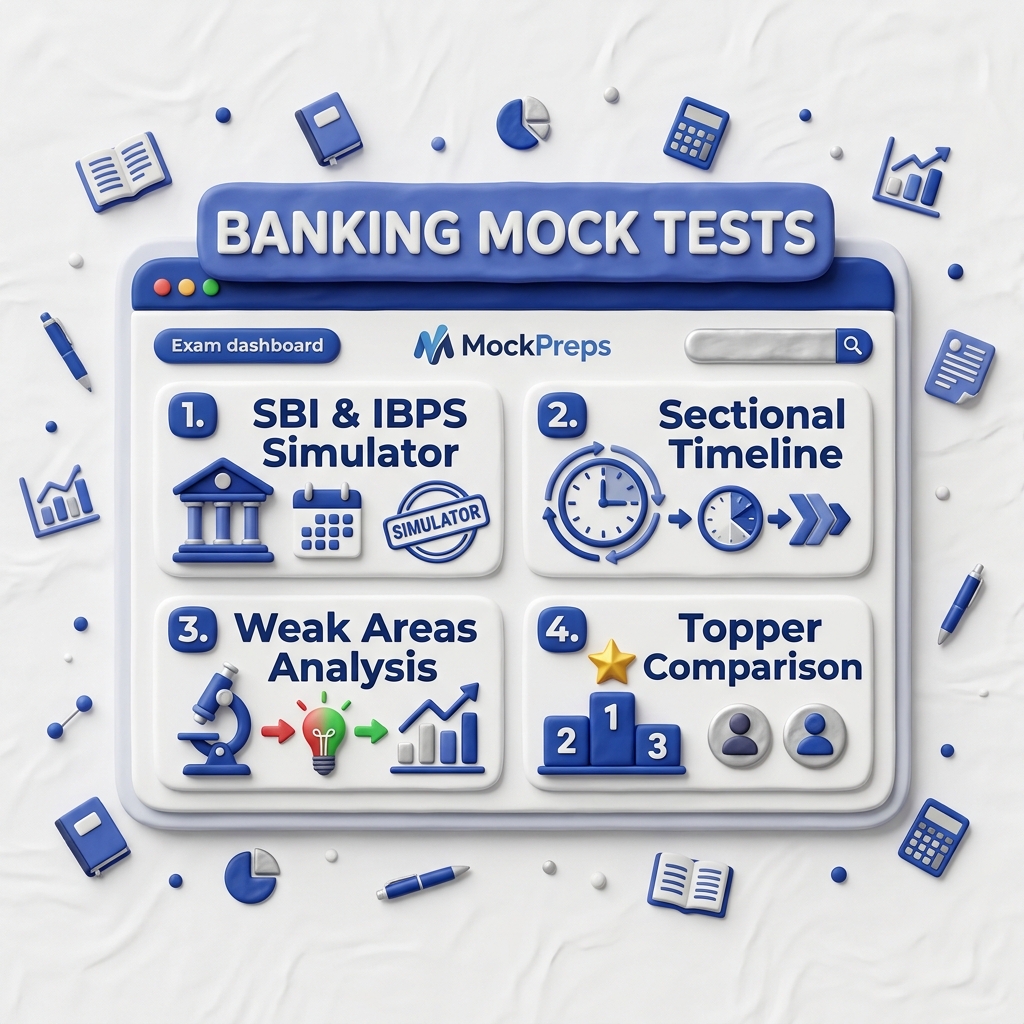
Consistent practice is non-negotiable. Take at least two full-length mock tests per week. After each test, perform a 'Gap Analysis.' Identify why you got a question wrong: was it a conceptual error, or did you run out of time? By categorizing your mistakes, you can tailor your study plan to focus on your specific weaknesses.
Building Mental Stamina
Reasoning is a test of endurance. Sitting for an hour of intense logic requires mental stamina. Practice solving 30-40 questions in one sitting without breaks to mimic the exam environment. This will train your brain to maintain high performance levels during the actual test.
Common Pitfalls to Avoid
- Overconfidence in Puzzles: Many students waste time on a difficult puzzle because they feel they 'should' be able to solve it. Learn to skip and move on.
- Ignoring Negative Marking: Since there is a penalty for wrong answers, prioritize accuracy over the number of attempts.
- Neglecting Previous Year Papers: The SBI Apprentice exam often repeats the logic patterns found in previous years. Solving papers from the last 3-5 years is a must.
Final Tips for Success
On the day of the exam, stay calm. If you encounter a tricky question, remember that every other candidate is facing the same challenge. Focus on what you know, maintain a positive mindset, and ensure you read every question carefully to avoid silly mistakes. With structured preparation and these short tricks, mastering the Reasoning section for the SBI Apprentice exam is well within your reach.
Frequently Asked Questions
Unlock MockPreps Pass Pro
Get direct access to the ultimate testing platform trusted by toppers. Upgrade to unlock full-length tests, detailed performance metrics, and smart tracking.
60,000+ Tests
Full mock series for all major exams.
Live Sessions
Compete with real-time test takers.
AI Speed Analytics
Pinpoint speed leaks & pacing guidelines.
Free Re-attempts
Perfect your accuracy via practice.
Popular Mock Test Series

SSC CGL Exam

Delhi Police Constable Exam

SSC CHSL Exam

SSC MTS Exam

Delhi Police Head Constable Exam

SSC CPO Exam