Mastering the JAIIB Accounting and Financial Management Paper
The JAIIB (Junior Associate of the Indian Institute of Bankers) exam is a significant milestone for banking professionals in India. Among the various papers, the 'Accounting and Financial Management for Bankers' (AFM) paper is often cited as the most challenging due to its technical nature and the requirement for both conceptual clarity and numerical accuracy. Achieving a high score in this paper requires a systematic approach, disciplined practice, and a deep understanding of core financial principles.
Understanding the Syllabus Structure
Before diving into study materials, it is crucial to analyze the syllabus. The AFM paper covers four main modules: Accounting Principles and Processes, Financial Statements and Core Banking Accounting, Financial Management, and Taxation and Costing. By breaking these down into manageable chunks, you can create a structured study plan that ensures no topic is left behind.
- Module A: Focuses on the basics—definitions, scope, and accounting standards.
- Module B: Deals with preparation of final accounts and company accounts.
- Module C: Covers financial management tools like ratio analysis, working capital, and capital budgeting.
- Module D: Touches upon taxation, GST, and cost accounting basics.
Effective Study Strategies for AFM
To truly improve your score, you must move beyond rote learning. Here are actionable strategies to master the content:
1. Build a Strong Conceptual Foundation
Accounting is a cumulative subject. If you do not understand the golden rules of debit and credit, you will struggle with balance sheets later on. Spend your initial preparation weeks ensuring that your fundamentals—such as the accounting equation, journal entries, and ledger posting—are rock solid.
2. Master the 'Ratio Analysis' Section
Ratio analysis is a perennial favorite for examiners. You should not just memorize the formulas but understand what each ratio signifies for a bank's financial health. Practice calculating liquidity, solvency, and profitability ratios until you can do them without looking at a cheat sheet.
3. Leverage Practical Numerical Practice
The AFM paper is not purely theoretical. You will encounter problems requiring calculation. Use a calculator to get comfortable with the specific functions needed for interest calculations, depreciation, and financial statements. The more problems you solve, the faster you will become during the actual exam.
The Role of Mock Tests and Previous Year Papers
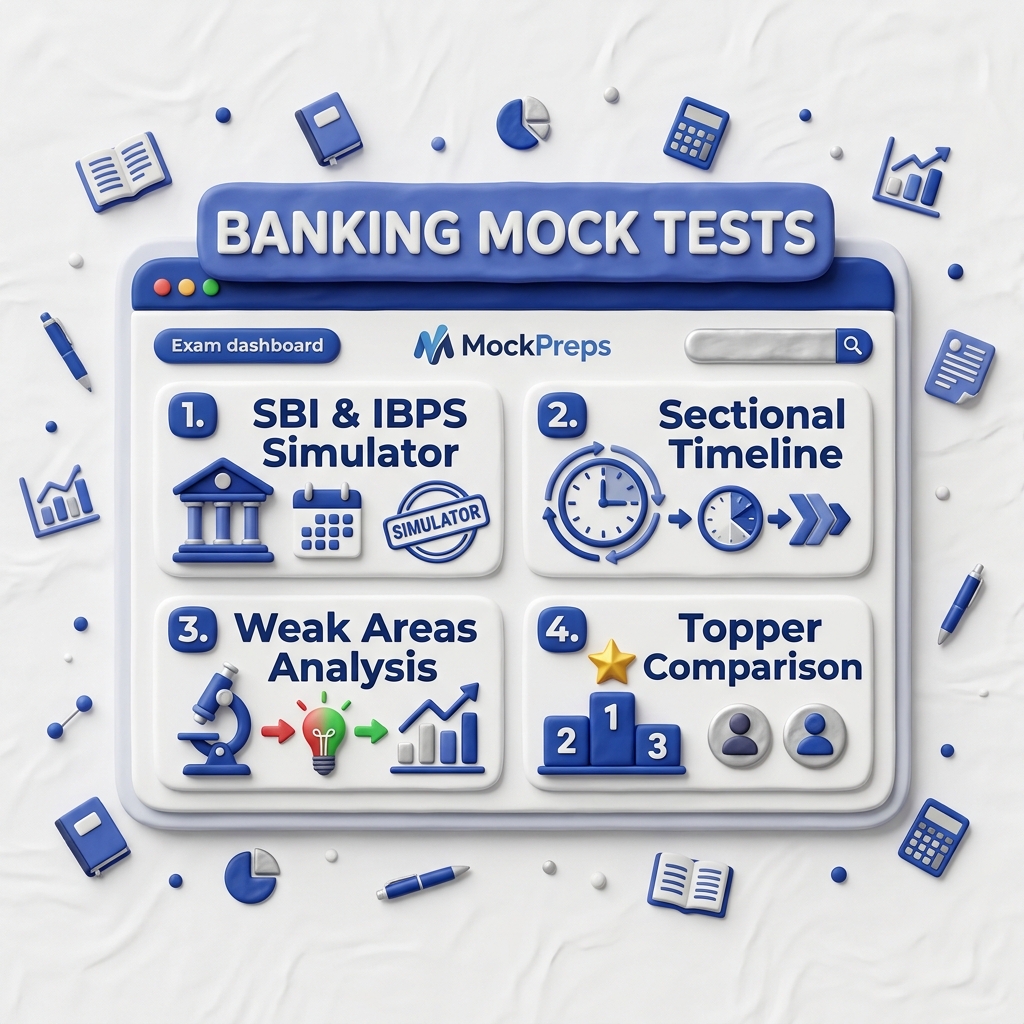
Mock tests serve as a reality check. They help you identify which modules are your strengths and which are your weaknesses. We recommend taking at least one full-length mock test every weekend. After completing the test, spend double the time analyzing the questions you got wrong. Understanding 'why' an answer is incorrect is more valuable than knowing 'what' the correct answer is.
Time Management During the Exam
The JAIIB exam is time-bound. A common mistake students make is spending too much time on a single complex numerical problem. If a question seems too time-consuming, flag it, move on, and return to it only if you have remaining time. Focus on securing the 'low-hanging fruit' first—the theoretical questions and straightforward calculations—to build your confidence and score.
Conclusion
Improving your score in the JAIIB Accounting paper is a marathon, not a sprint. By focusing on conceptual clarity, practicing numerical problems daily, and utilizing mock exams effectively, you can transform this challenging subject into your strongest asset. Stay consistent, stay focused, and keep practicing until the concepts become second nature.
Frequently Asked Questions
Unlock MockPreps Pass Pro
Get direct access to the ultimate testing platform trusted by toppers. Upgrade to unlock full-length tests, detailed performance metrics, and smart tracking.
60,000+ Tests
Full mock series for all major exams.
Live Sessions
Compete with real-time test takers.
AI Speed Analytics
Pinpoint speed leaks & pacing guidelines.
Free Re-attempts
Perfect your accuracy via practice.
Popular Mock Test Series

SSC CGL Exam

Delhi Police Constable Exam

SSC CHSL Exam

SSC MTS Exam

Delhi Police Head Constable Exam

SSC CPO Exam