Mastering the Clock: Time Management for IDBI Junior Assistant Manager 2026
The IDBI Junior Assistant Manager exam is a prestigious gateway to a career in the banking sector. With the 2026 edition approaching, thousands of aspirants are preparing to compete for limited vacancies. While subject knowledge is essential, the true differentiator for top-tier candidates is effective time management. In this guide, we explore how to optimize your preparation and exam-day performance.
Understanding the Exam Pattern
Before diving into study techniques, you must internalize the exam pattern. The IDBI Junior Assistant Manager exam typically covers Reasoning, Quantitative Aptitude, English Language, and General Awareness. Understanding the weightage of each section allows you to allocate your study hours proportionately. Do not spend equal time on your strengths and weaknesses; instead, dedicate 70% of your time to areas where you need improvement.
The 80/20 Rule in Preparation
The Pareto Principle (80/20 rule) is highly effective for competitive exams. Identify the 20% of topics that appear in 80% of the questions. For instance, in Quantitative Aptitude, topics like Data Interpretation, Simplification, and Number Series often hold higher weightage. By focusing on these high-yield areas, you maximize your score potential without spreading yourself too thin.
Creating a Sustainable Study Schedule
Consistency beats intensity. A rigid 12-hour study plan often leads to burnout. Instead, aim for a balanced schedule:
- Morning (High Energy): Tackle complex topics like Reasoning puzzles or Data Interpretation.
- Afternoon (Low Energy): Focus on General Awareness or English vocabulary building.
- Evening (Review): Solve mock tests and analyze your mistakes from the day.
By aligning your hardest tasks with your peak cognitive hours, you save time and improve retention.
The Power of Mock Tests
Mock tests are not just for gauging knowledge; they are your training ground for time management. To simulate the actual IDBI 2026 environment, follow these steps:
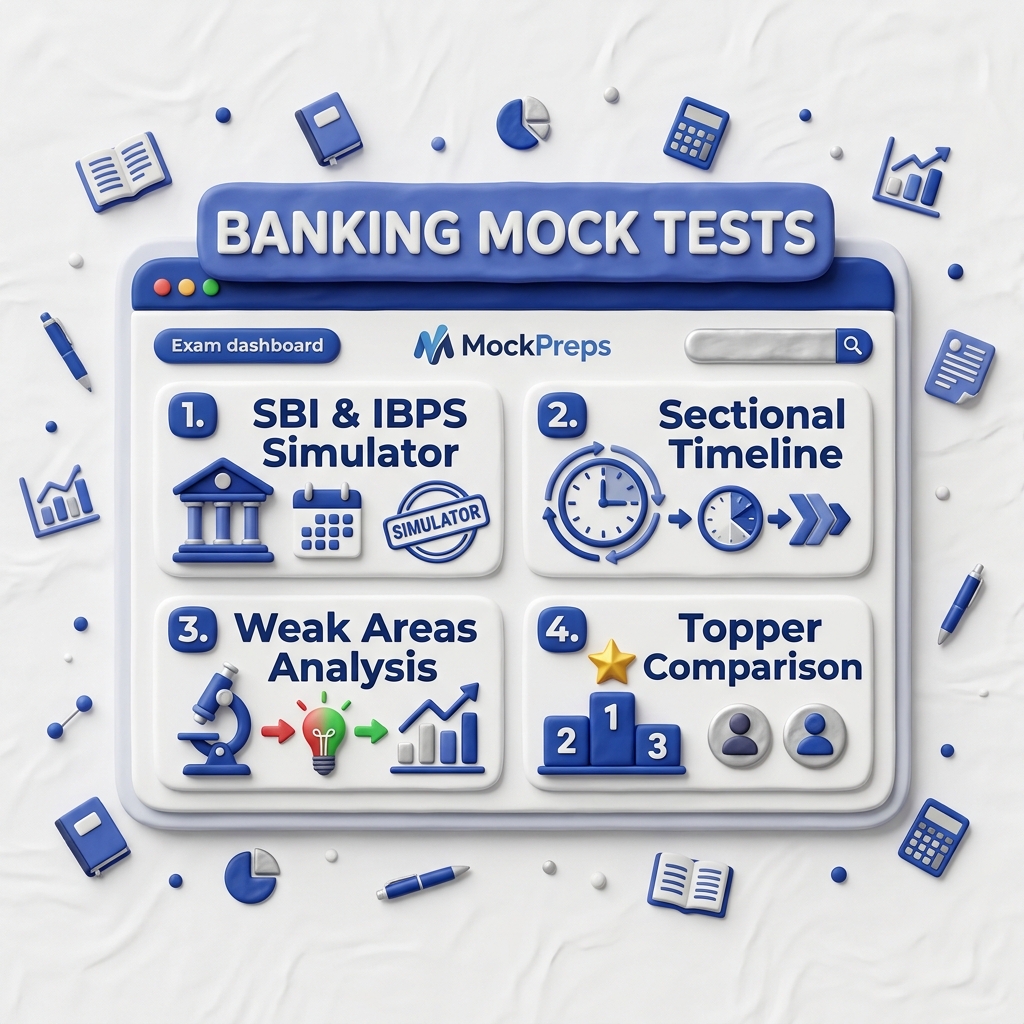
- Sectional Timing: Always set a timer for each section. If a question takes more than 90 seconds, mark it and move on.
- The Skip Strategy: Learn to identify 'trap' questions. Some questions are designed to consume time; skipping them is a strategic move, not a defeat.
- Post-Test Analysis: Spend twice as much time analyzing your mistakes as you did taking the test. Identify whether you lost time due to lack of conceptual clarity or slow calculation speed.
Optimizing Exam-Day Strategy
When you sit for the IDBI Junior Assistant Manager exam in 2026, your strategy should be pre-defined. Start with the section you are most confident in to build momentum. Keep a close watch on the timer, but do not obsess over it. If you find yourself stuck, take a deep breath, skip the question, and return to it only after completing the rest of the paper. Remember, every question carries the same weight, so don't spend five minutes on a difficult question at the expense of three easy ones.
Utilizing Technology and Resources
Use digital tools to track your speed. Many platforms offer analytics that show how long you spend per question compared to the topper. Use these insights to refine your approach. Additionally, practice mental math techniques—such as square roots and percentage equivalents—to shave seconds off your quantitative calculations. These small time savings accumulate into significant advantages during the exam.
Final Thoughts
Time management is a skill, not a talent. By planning your 2026 preparation with discipline, practicing with purpose, and maintaining a calm mindset during the actual exam, you can significantly increase your chances of success. Stay consistent, stay focused, and keep your goals in sight.
Frequently Asked Questions
Unlock MockPreps Pass Pro
Get direct access to the ultimate testing platform trusted by toppers. Upgrade to unlock full-length tests, detailed performance metrics, and smart tracking.
60,000+ Tests
Full mock series for all major exams.
Live Sessions
Compete with real-time test takers.
AI Speed Analytics
Pinpoint speed leaks & pacing guidelines.
Free Re-attempts
Perfect your accuracy via practice.
Popular Mock Test Series

SSC CGL Exam

Delhi Police Constable Exam

SSC CHSL Exam

SSC MTS Exam

Delhi Police Head Constable Exam

SSC CPO Exam