Introduction to GSSSB Radiotherapy Technician Preparation
The GSSSB (Gujarat Subordinate Services Selection Board) Radiotherapy Technician exam is a highly competitive gateway for professionals looking to build a career in the public healthcare sector. Success in this examination requires a strategic approach, a deep understanding of core medical physics, and access to the right study materials. In this guide, we break down the best reference books and study resources to help you excel.
Core Technical Syllabus and Recommended Books
To master the technical section, you must focus on the principles of radiation therapy. The following books are considered the gold standard for aspirants:
- The Physics of Radiation Therapy by Faiz M. Khan: Often referred to as the 'Bible' of radiotherapy physics. This book covers everything from basic atomic structure to advanced clinical dosimetry.
- Principles and Practice of Radiation Therapy by Charles M. Washington and Dennis Leaver: An essential read for understanding patient positioning, treatment planning, and simulation processes.
- Radiobiology for the Radiologist by Eric J. Hall: Crucial for understanding the biological effects of radiation, a topic that frequently appears in GSSSB exam papers.
Anatomy and Physiology Fundamentals
Radiotherapy is not just about physics; it is about treating the human body. Having a strong grasp of cross-sectional anatomy is non-negotiable. We recommend:
- Ross & Wilson Anatomy and Physiology in Health and Illness: This provides a clear, concise overview of bodily systems.
- Cross-Sectional Anatomy for Computed Tomography by Michel G. G. H. M. L. G. L. M. L. L. L. M. L.: Understanding CT scans is vital for modern treatment planning.
General Knowledge and Language Proficiency
A significant portion of the GSSSB exam often includes sections on Gujarati language, general knowledge, and reasoning. Do not overlook these, as they are often the deciding factor in merit lists.
- Gujarati Grammar: Use standard state-board grammar books or 'Vyakaran' books by popular local publishers.
- Current Affairs: Follow reputable monthly magazines and newspapers to stay updated on regional and national health policies.
Strategic Study Plan for Success
Cracking the exam requires more than just reading; it requires a structured approach. Start by analyzing the previous year's GSSSB question papers to identify recurring themes. Create a timetable that balances technical reading with revision. It is recommended to spend at least 60% of your time on core radiotherapy subjects, as these carry the most weightage.
The Importance of Mock Tests
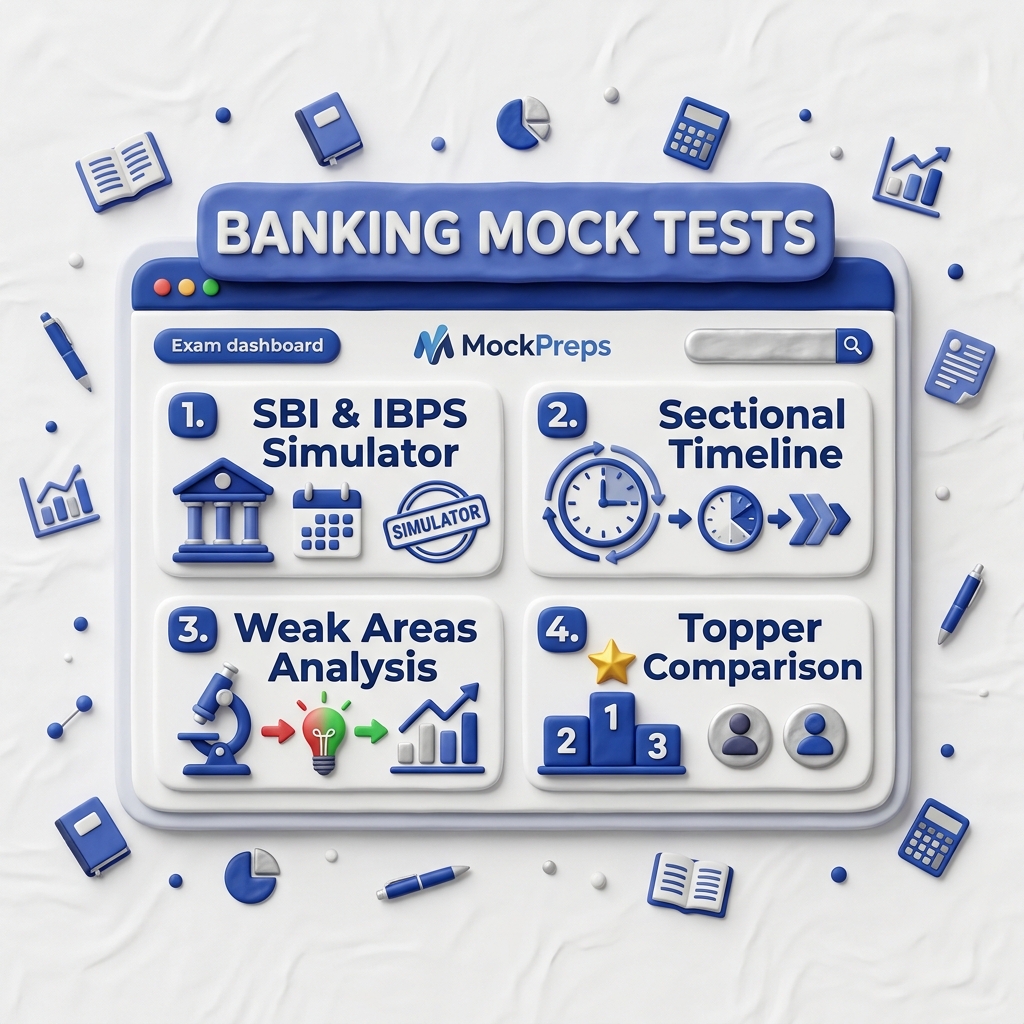
Consistent practice is the key to speed and accuracy. Enroll in online test series that mirror the GSSSB exam pattern. By simulating the exam environment, you will be able to manage your time effectively and reduce anxiety on the final day. Focus on identifying your weak areas after every mock test and revisiting the reference books to bridge those knowledge gaps.
Final Tips for Aspirants
Stay consistent, maintain your health, and keep your notes organized. Radiotherapy is a field of precision, and your preparation should reflect that same level of detail. Focus on understanding the 'why' behind the radiation safety protocols and treatment techniques rather than just memorizing facts.
Frequently Asked Questions
Unlock MockPreps Pass Pro
Get direct access to the ultimate testing platform trusted by toppers. Upgrade to unlock full-length tests, detailed performance metrics, and smart tracking.
60,000+ Tests
Full mock series for all major exams.
Live Sessions
Compete with real-time test takers.
AI Speed Analytics
Pinpoint speed leaks & pacing guidelines.
Free Re-attempts
Perfect your accuracy via practice.
Popular Mock Test Series

SSC CGL Exam

Delhi Police Constable Exam

SSC CHSL Exam

SSC MTS Exam

Delhi Police Head Constable Exam

SSC CPO Exam