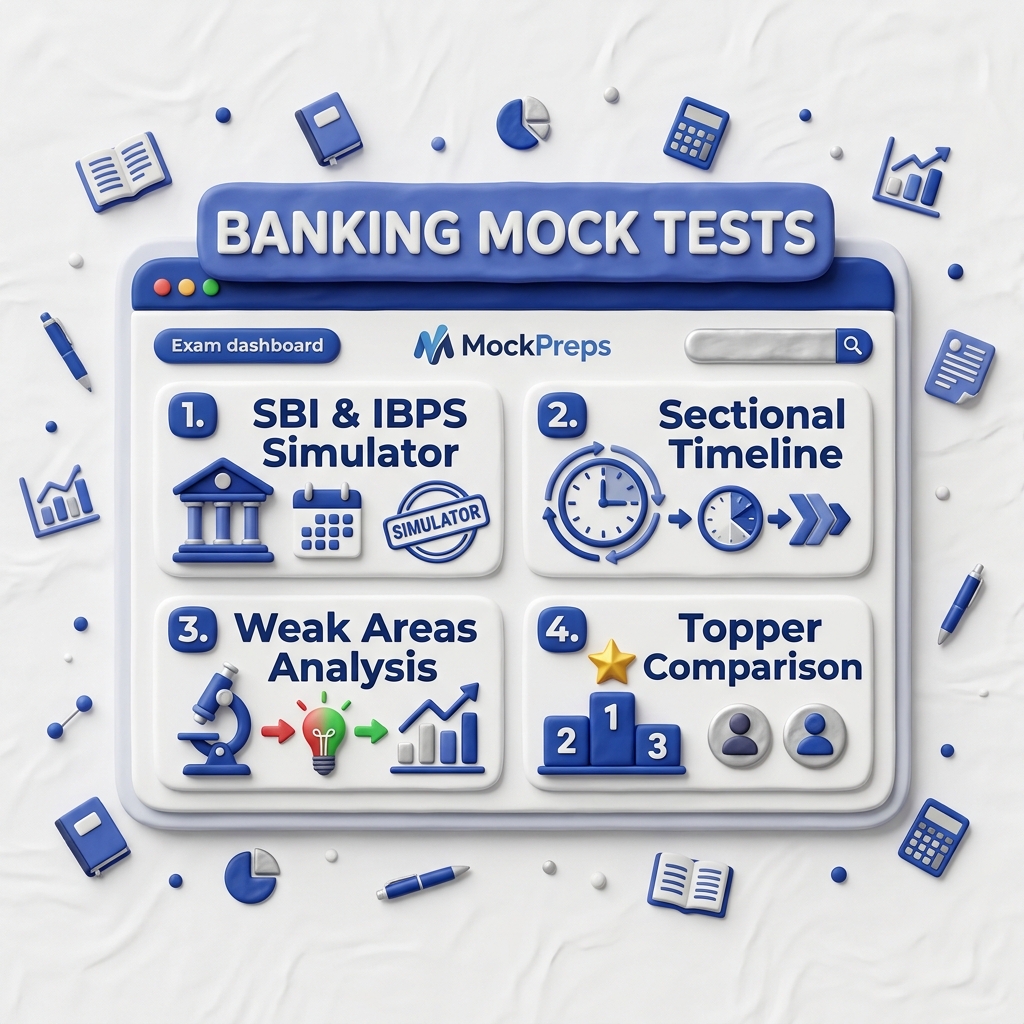
Introduction to Banking Regulations and Compliance
Banks and financial institutions are subject to a complex set of regulations and laws that govern their operations. These regulations are designed to protect consumers, maintain financial stability, and prevent illegal activities such as money laundering and terrorist financing. In this article, we will provide an overview of the best resources for banking regulations and compliance preparation, with a focus on the Assistant Manager Law – SBI exam.
Key Areas of Banking Regulations
Banking regulations cover a wide range of topics, including risk management, anti-money laundering, consumer protection, and capital requirements. It's essential to have a thorough understanding of these areas to prepare for the Assistant Manager Law – SBI exam.
- Risk management: This includes regulations related to credit risk, market risk, and operational risk.
- Anti-money laundering: This includes regulations related to customer due diligence, suspicious transaction reporting, and compliance programs.
- Consumer protection: This includes regulations related to fair lending, debt collection, and consumer disclosure.
- Capital requirements: This includes regulations related to minimum capital requirements, capital adequacy, and liquidity.
Preparing for the Assistant Manager Law – SBI Exam
To prepare for the Assistant Manager Law – SBI exam, it's essential to have a comprehensive understanding of banking laws and regulations. Here are some tips to help you prepare:
- Study banking laws and regulations: Focus on the key areas of banking regulations, including risk management, anti-money laundering, consumer protection, and capital requirements.
- Practice with sample questions: Practice with sample questions to help you understand the format and content of the exam.
- Stay up-to-date with regulatory updates: Regulations are updated regularly, so it's essential to stay informed through ongoing education and training.
- Join a study group: Joining a study group can help you stay motivated and learn from others who are also preparing for the exam.
Benefits of Compliance in Banking
Compliance is essential in banking, as it helps to reduce risk, improve reputation, and avoid regulatory penalties. Here are some benefits of compliance in banking:
- Reduced risk: Compliance helps to reduce the risk of non-compliance, which can result in regulatory penalties and reputational damage.
- Improved reputation: Compliance helps to improve the reputation of the bank, which can lead to increased customer trust and loyalty.
- Avoidance of regulatory penalties: Compliance helps to avoid regulatory penalties, which can be costly and damaging to the bank's reputation.
Reliable Resources for Banking Regulations
There are many reliable resources available for banking regulations, including official government websites, banking associations, and reputable financial publications. Here are some examples:
- Official government websites: Official government websites, such as the Reserve Bank of India, provide information on banking regulations and laws.
- Banking associations: Banking associations, such as the Indian Banks' Association, provide information on banking regulations and best practices.
- Reputable financial publications: Reputable financial publications, such as The Economic Times, provide information on banking regulations and industry trends.
Conclusion
In conclusion, banking regulations and compliance are essential for banks and financial institutions. By understanding the key areas of banking regulations, preparing for the Assistant Manager Law – SBI exam, and staying up-to-date with regulatory updates, you can help to reduce risk, improve reputation, and avoid regulatory penalties. Remember to use reliable resources, such as official government websites, banking associations, and reputable financial publications, to stay informed and up-to-date on banking regulations and compliance.
Frequently Asked Questions
Unlock MockPreps Pass Pro
Get direct access to the ultimate testing platform trusted by toppers. Upgrade to unlock full-length tests, detailed performance metrics, and smart tracking.
60,000+ Tests
Full mock series for all major exams.
Live Sessions
Compete with real-time test takers.
AI Speed Analytics
Pinpoint speed leaks & pacing guidelines.
Free Re-attempts
Perfect your accuracy via practice.
Popular Mock Test Series

SSC CGL Exam

Delhi Police Constable Exam

SSC CHSL Exam

SSC MTS Exam

Delhi Police Head Constable Exam

SSC CPO Exam