Mastering the Bank of Baroda Peon Exam: A Strategic Approach
Securing a position as a Peon at the Bank of Baroda is a significant career milestone for many aspirants. While the post may seem entry-level, the competition is fierce, making a structured preparation plan essential. The secret to success lies in achieving a perfect balance between General Knowledge (GK) and Numerical Aptitude. This comprehensive guide will walk you through the strategies needed to conquer both.
Understanding the Exam Pattern
Before diving into the books, you must understand the weightage of the subjects. The Bank of Baroda Peon exam generally tests candidates on their basic arithmetic skills and their awareness of the world around them. Unlike specialized banking roles, this exam focuses on practical knowledge that is useful in daily administrative tasks.
The Pillars of Quantitative Aptitude
Aptitude is often the most feared section, but it is also the most scoring. If you understand the underlying concepts, you can secure full marks.
- Master the Basics: Start with fundamental topics like percentages, ratios, profit and loss, and simple interest. These form the backbone of banking arithmetic.
- Daily Practice: Dedicate at least 60 minutes every day to solving 20-30 problems. Consistency is more important than intensity.
- Shortcut Techniques: Learn Vedic math tricks and mental calculation methods to save time during the exam.
Conquering General Knowledge
General Knowledge is vast, but you don't need to be an encyclopedia. You need to be a strategic learner.
- Focus on Banking Awareness: Since you are applying for a bank role, prioritize news related to the Reserve Bank of India (RBI), banking terminology, and major financial policies.
- Current Events: Stay updated with national news, sports, and awards. Use reliable monthly magazines or trusted news portals.
- Static GK: Topics like national parks, capitals, currencies, and important historical dates are frequent flyers in these exams.
Creating a Balanced Study Schedule
The biggest mistake candidates make is neglecting one section for the other. To maintain a balance, implement a 'Split-Session' approach. If you have four hours a day, divide them: two hours for Aptitude (active problem solving) and two hours for GK (reading and memorizing). In the evening, spend 30 minutes revising what you learned in the morning. This spaced repetition ensures that your knowledge stays fresh.
Mock Tests and Analysis
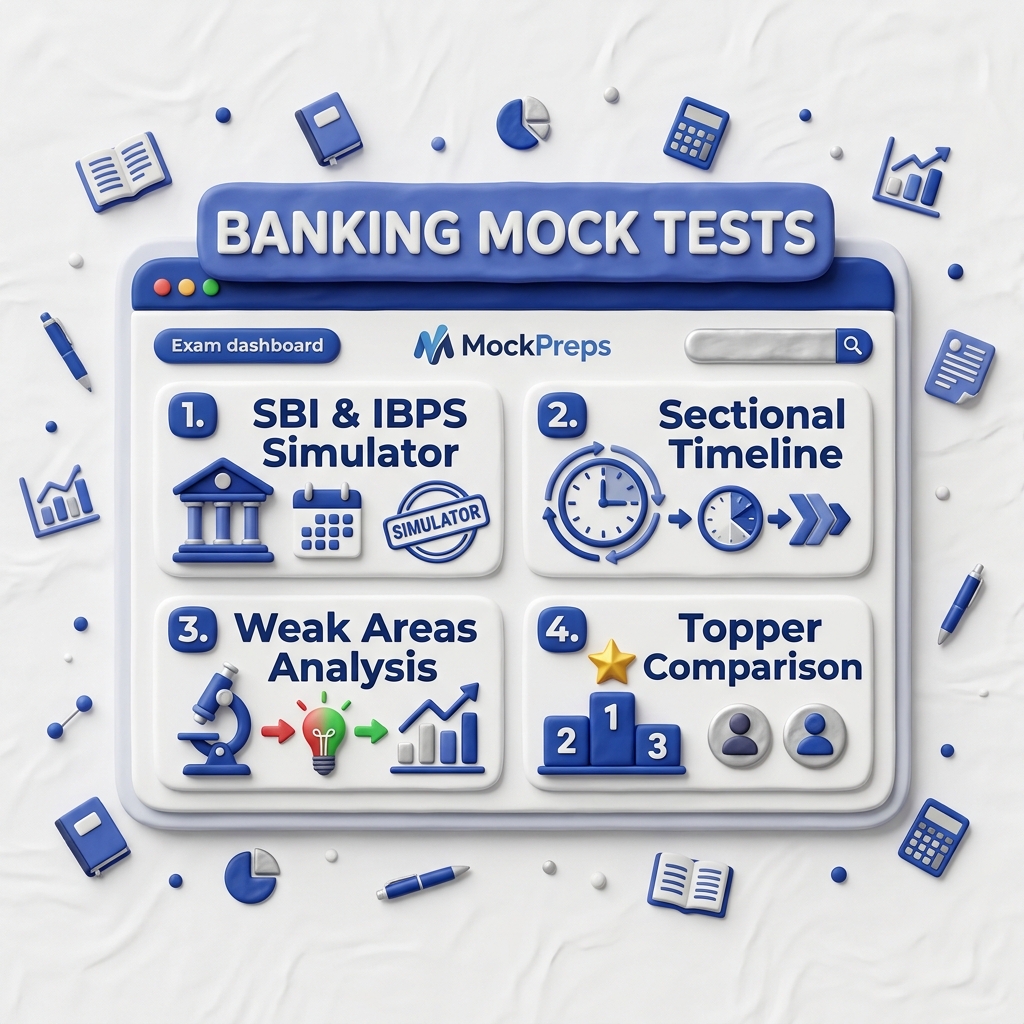
Practice makes perfect, but practice without analysis is futile. After taking a mock test, spend double the time analyzing your mistakes. Did you fail because of a calculation error, or did you lack the conceptual knowledge? Once you identify the pattern, adjust your study plan accordingly. If you consistently lose marks in Aptitude, increase your practice sessions. If you struggle with GK, switch to audio-based learning or flashcards.
Final Tips for Success
Stay calm and maintain a positive mindset. The Bank of Baroda Peon exam is not just about intelligence; it is about stamina and discipline. Ensure you get enough sleep, eat well, and keep your stress levels low. By balancing your focus between the analytical rigor of Aptitude and the broad scope of GK, you will be well-prepared to ace your exam and secure your future in the banking sector.
Frequently Asked Questions
Unlock MockPreps Pass Pro
Get direct access to the ultimate testing platform trusted by toppers. Upgrade to unlock full-length tests, detailed performance metrics, and smart tracking.
60,000+ Tests
Full mock series for all major exams.
Live Sessions
Compete with real-time test takers.
AI Speed Analytics
Pinpoint speed leaks & pacing guidelines.
Free Re-attempts
Perfect your accuracy via practice.
Popular Mock Test Series

SSC CGL Exam

Delhi Police Constable Exam

SSC CHSL Exam

SSC MTS Exam

Delhi Police Head Constable Exam

SSC CPO Exam